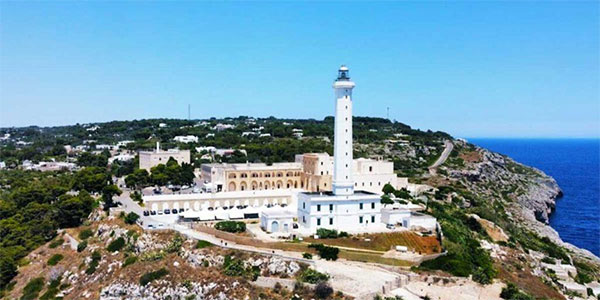
The Via Francigena of Salento: from Lecce to Santa Maria di Leuca, a journey towards Finis Terrae
Walking along the Salento stretch of the Via Francigena del Sud means traversing one of the last great pilgrimage routes in Europe, where the continent meets the Mediterranean. From Lecce to the Sanctuary of Santa Maria di Leuca, the path crosses about 120 kilometers of rural landscapes, ancient villages, centuries-old olive groves, and spectacular cliffs overlooking the sea, following the traces of a millennial history made of pilgrims, merchants, crusaders, and travelers heading towards the Holy Land.
The Via Francigena is not just a road, but a network of paths that for centuries have connected Northern Europe with Rome and, subsequently, with the main ports of Southern Italy from which one would embark towards Jerusalem. Salento thus represented the last piece of Italian land before the East, taking on a strategic role both religiously and culturally. Santa Maria di Leuca, known as De Finibus Terrae, meaning "at the ends of the earth," became the symbol of this journey: the place where the pilgrim concluded their path entrusting themselves to the sea and faith.
Today, undertaking this itinerary means rediscovering the value of slowness. It is an experience that allows one to observe the territory with a different perspective, entering the small centers of Grecìa Salentina, crossing countryside shaped by dry stone walls, and encountering a culture deeply linked to hospitality. The path also offers a rare balance between nature, art, spirituality, and culinary traditions, making it suitable not only for believing pilgrims but also for those who wish to experience an authentic journey in discovering Salento's identity.
The religious background of the path
The spiritual dimension accompanies every step of the Via Francigena. Since the Middle Ages, pilgrimage represented an act of faith, penance, and inner search: reaching Rome or the Holy Land meant embarking on a physical journey that simultaneously became a journey of the soul. In Salento, this tradition is evidenced by the presence of rock churches, abbeys, votive chapels, and especially the Sanctuary of Santa Maria di Leuca, one of the most important Marian worship sites in Southern Italy.
According to Christian tradition, it is said that Saint Peter landed in Leuca during his journey to Rome, contributing to the spread of Christianity in this part of Puglia. For this reason, the sanctuary holds significant symbolic value: it represents not only the geographical conclusion of the path but also a meeting point between East and West, between earthly pilgrimage and the contemplation of the infinite sea.
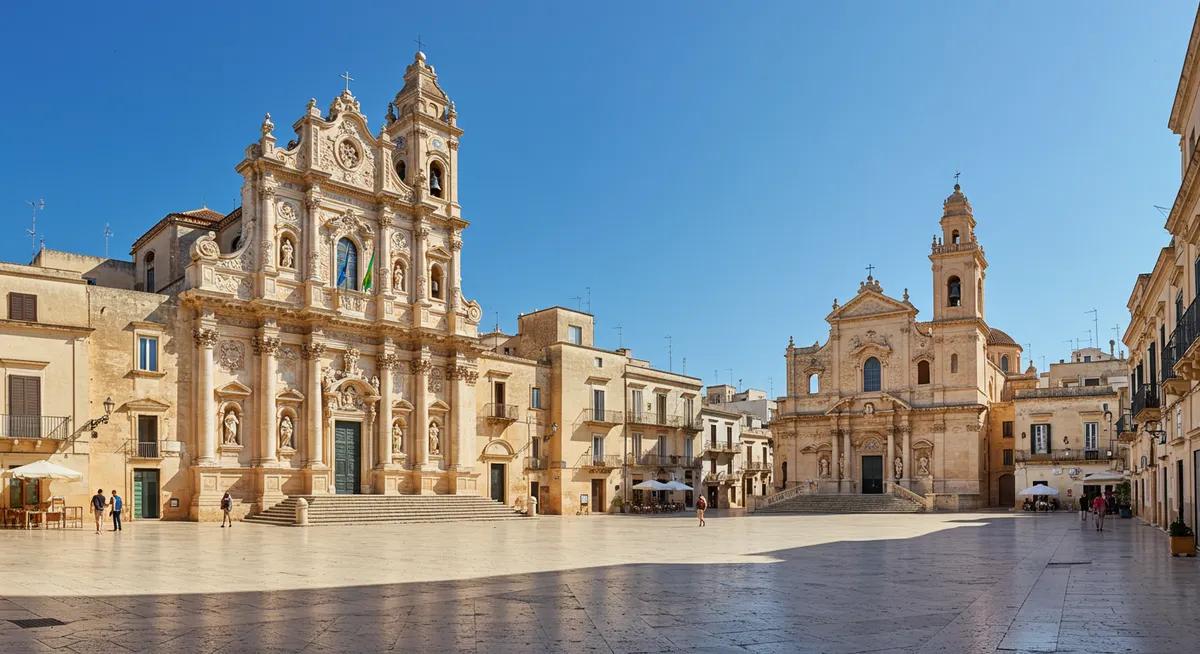
The journey starts from the baroque heart of Lecce and heads towards the inland, crossing agricultural landscapes and small settlements of Grecìa Salentina. It is an introductory stage that slowly leads from the monumen…
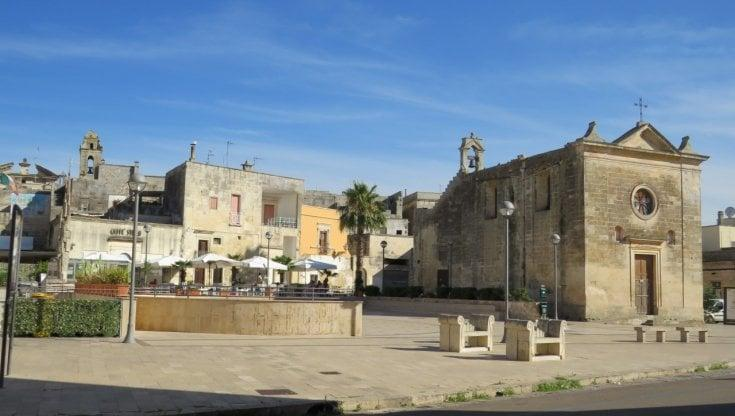
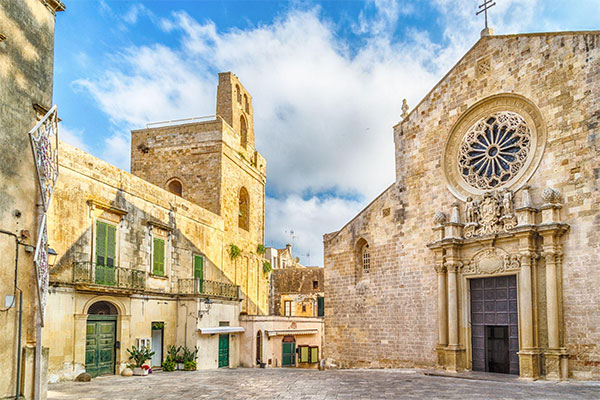
From the villages where the grika culture still survives, you reach Otranto, the historic Gateway to the East. The arrival at the Adriatic Sea offers one of the most exciting moments of the entire route, combining the m…
Leaving Otranto, the route follows the coast and the southern inland through Mediterranean paths, ancient towers, and sea views. It is a stage rich in natural suggestions, where the landscape becomes the protagonist alo…
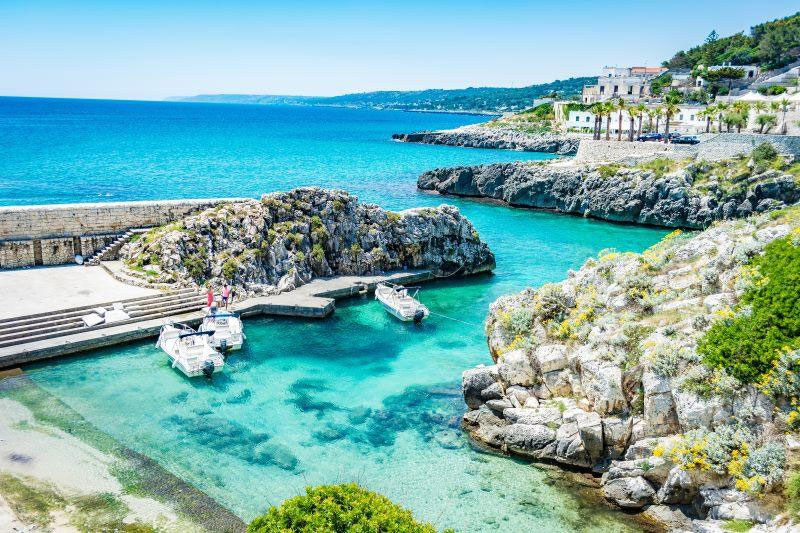
The path continues between Castro, Marittima and the spectacular eastern Salento coast up to Tricase. The high cliffs, the coves, and the Mediterranean scrub accompany a particularly scenic day, in which the relationshi…
The last stage leads towards Capo di Leuca, crossing the territory of Alessano, Gagliano del Capo, and the picturesque landscape of Ciolo. The arrival at the Sanctuary De Finibus Terrae represents the symbolic completio…
Traversing the Via Francigena of Salento does not necessarily require a religious motivation: it can be a cultural, naturalistic, or personal journey. However, spirituality remains the invisible thread that connects all the stages. Each village, each church, and each stretch of coast tells the same story: that of men and women who for centuries have walked towards a distant goal, discovering that the true meaning of the journey lay not only in the arrival but in the transformation experienced along the way.