The story translated into Italian Sign Language by an interpreter.
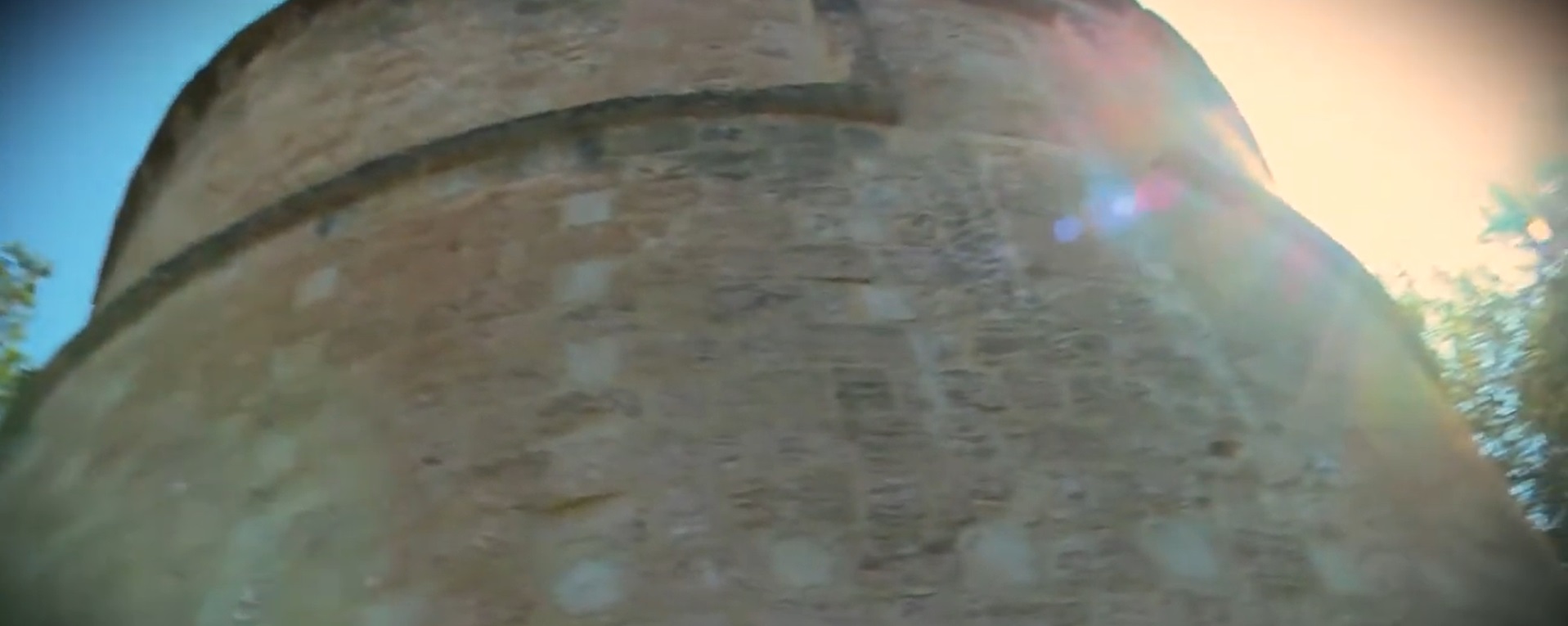
The dove tower of Torcito is one of the most significant structures of the rural complex, a testament to the ancient practice of pigeon breeding, an activity that for centuries supported the economy of the Salento farms.
Built just a few steps from the main body of the farm, the tower features an imposing structure made of local tuff blocks, with internal niches arranged in regular rows, intended for nesting. Its height and elevated position favored the flight of the animals and protected them from predators.
Pigeon breeding provided meat, young specimens for trade, and above all guano, a natural fertilizer rich in nitrogen, essential for crops. The presence of a tower of such dimensions indicates an organized and stable activity, integrated into the production system of the farm.
The dove tower fits into a broader historical context: between the 16th and 17th centuries, during the period of Ottoman incursions, the Masseria Torcito was fortified with walls, parapets, and defensive systems. Although it did not have a military function, the tower contributed to the recognizability of the settlement and its territorial organization.
Today, the dove tower is an architectural and landscape document of great value: it tells the story of rural life, traditional construction techniques, and the ability of the Salento communities to integrate production, defense, and everyday life.
Images
Images of Torre Colombaia di Masseria Torcito
Arrows to scroll, plus and minus to zoom, Esc to close.